
We Started with a Camera and a Question
Back in 2019, two of us were working on different production teams across Austria. Evander was freelancing on corporate shoots, and I was bouncing between event videography gigs. We kept running into the same frustration—people with decent cameras but no real understanding of how to actually use them for storytelling.
One night after a particularly chaotic shoot, we sat down and sketched out what became Hulpr Dynfex. Not a fancy school with polished studios. Just a place where people could learn video production the way we wish we'd learned it—through doing, through mistakes, through real projects that actually matter.
How We Actually Teach
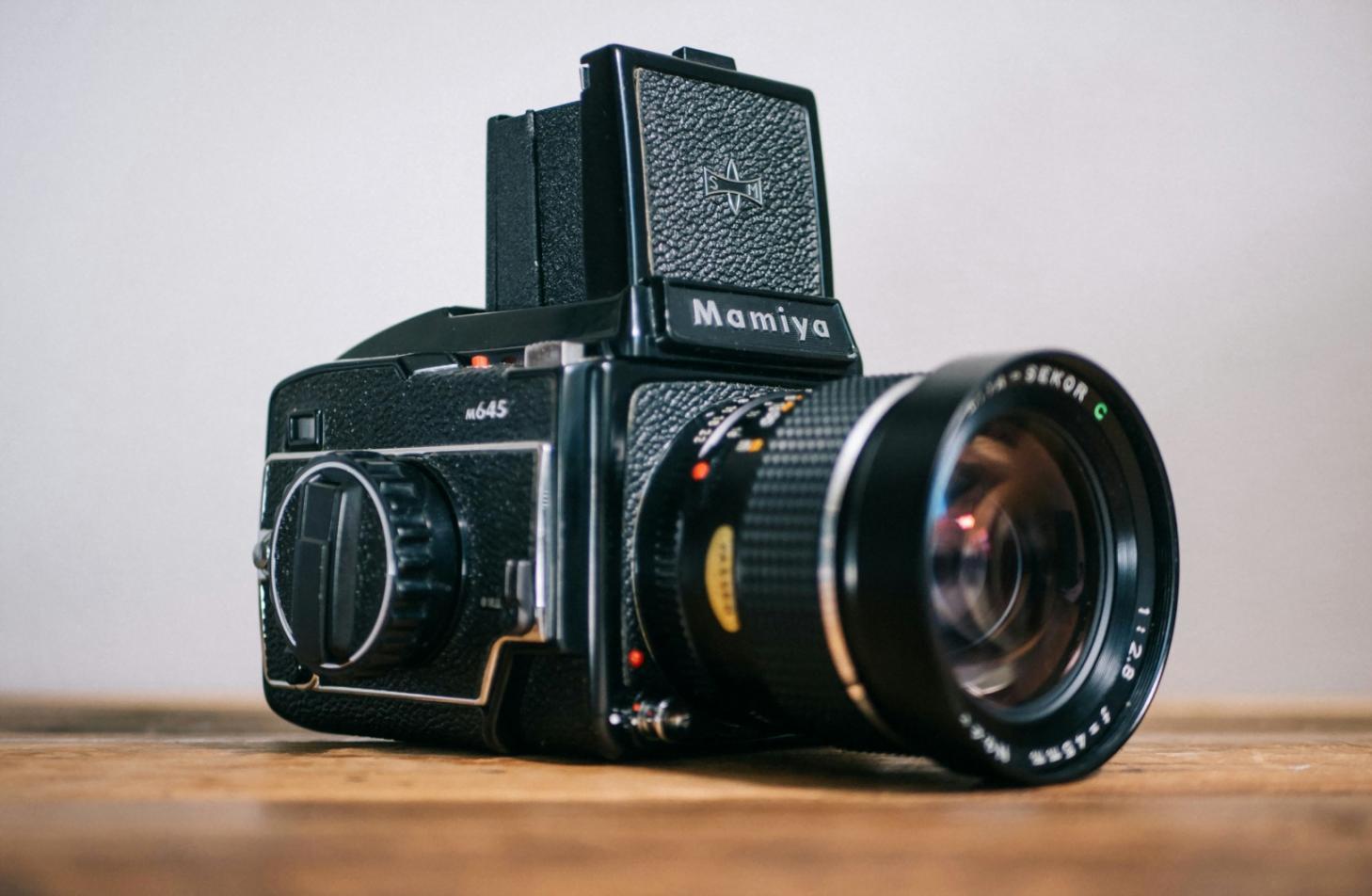
Our approach came from frustration with traditional courses. You know the ones—hours of theory about ISO and aperture before you ever touch a camera. We flipped that.
First week, you're shooting. Not a perfect shot. Just something. Then we break down what worked and what didn't. Students learn composition by seeing their own framing mistakes. They understand lighting by watching their footage look flat and then figuring out why.
We teach editing the same way. Start cutting a simple interview. Watch it feel boring. Then we show you pacing, rhythm, and how a well-placed cut changes everything. Theory follows practice, not the other way around.

What Makes Us Different
We're not trying to create the next Spielberg. We're here to help people tell better stories with the gear they already have.
Real Projects from Day One
Our students start with actual briefs. A local business needs a promo video. A nonprofit wants a documentary short. These aren't made-up assignments—they're real requests from real clients who use the final work.
Equipment Agnostic Training
We teach principles, not buttons. Whether you show up with a phone, a DSLR, or a cinema camera, the fundamentals of good framing and lighting apply. Expensive gear doesn't fix bad storytelling.
Feedback That Actually Helps
No one improves from vague praise. We watch your edits and point out exactly where pacing drags, where a cut feels jarring, or where color grading misses the mood. Specific notes that you can apply immediately.
Ready to Learn Video Production the Right Way?
We're accepting new students for our upcoming sessions. Come see how we work and whether our approach fits what you're looking for.
Get in Touch